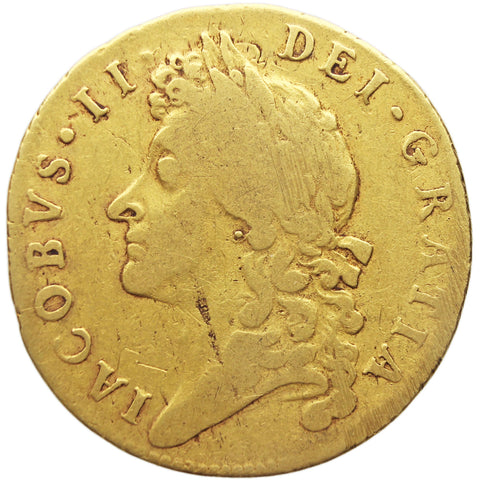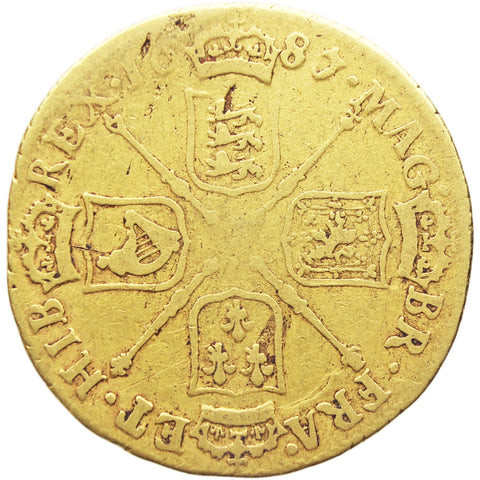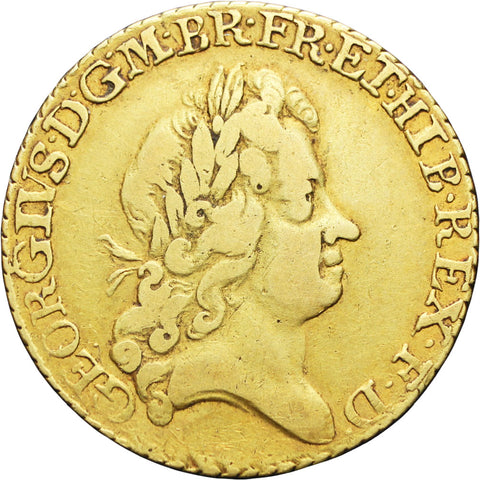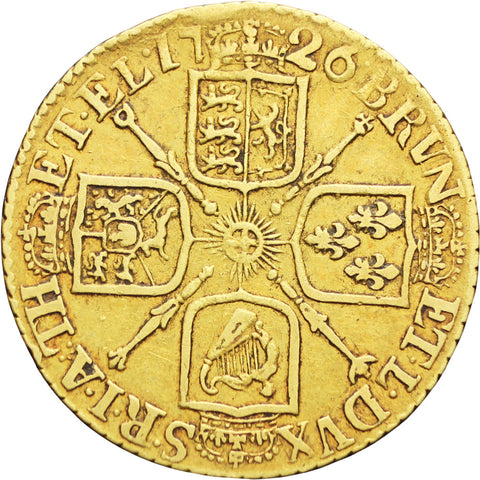


Islamisch, Umayyaden. Zeit von Hisham ibn ʿAbd al-Malik. AR Dirham geprägt in der Dimashq-Münzstätte, datiert AH 123
Islamisches Kalifat der Umayyaden — Hisham ibn ʿAbd al-Malik (AH 105–125 / AD 724–743)
Silberner Dirham – geprägt AH 123 (740/1 n. Chr.), Dimashq (Damaskus)
Album 137; SICA II, 693 (seltenes Datum für Dimashq)
AR Dirham, Durchmesser: 26 mm, Gewicht: 2,76 g
Ein klassisches und historisch bedeutsames Beispiel umayyadischer Inschriftenprägung, herausgegeben unter Kalif Hischam ibn Abd al-Malik, einem der dienstältesten und fähigsten Herrscher der Umayyaden-Dynastie. Dieser Silberdirham wurde in Dimashq (dem heutigen Damaskus) geprägt, das ein wichtiges administratives und kulturelles Zentrum der frühen islamischen Welt war.
Designdetails:
• Vorderseite: Zentrale dreizeilige Inschrift der Kalima:
„Es gibt keinen Gott außer Allah, Er hat keinen Partner.“
Mit einer Randlegende, die Münzstätte und Datum in arabischer Schrift angibt.
• Rückseite: Zentrale vierzeilige Inschrift mit einem Zitat aus der Sure al-Ikhlāṣ (Koran 112):
„Allah ist der Eine, Allah der Ewige, Er zeugt nicht und ist nicht gezeugt worden, und es gibt keinen, der Ihm gleich ist.“
Randlegende mit Zitat aus Koran 9:33:
„Muhammad ist der Gesandte Gottes, gesandt mit der Rechtleitung und der wahren Religion, die sich über alle anderen durchsetzen soll, auch wenn die Polytheisten sie ablehnen.“
Zustand: Leichte Knicke am Rand, ansonsten für den Typ gut erhalten.
Die Herrschaft von Hisham ibn ʿAbd al-Malik war geprägt von Stabilität, wirtschaftlicher Entwicklung und einer Blütezeit der islamischen Kultur, jedoch auch von anhaltenden militärischen Auseinandersetzungen an den byzantinischen und chorasischen Grenzen. Seine Regierungszeit markiert den Höhepunkt der umayyadischen Verwaltungskunst vor den inneren Unruhen, die schließlich zum Untergang der Dynastie führten.
Dieser Dirham, der gegen Ende seiner Regierungszeit geprägt wurde, folgt dem strengen epigraphischen Stil, der während der Währungsreform des Kalifen ʿAbd al-Malik ibn Marwan im Jahr 77 nach der Hidschra eingeführt wurde. Er veranschaulicht die Betonung der Umayyaden auf Ikonismus und die Förderung der koranischen Ideologie durch im Umlauf befindliches Geld.
ZipZappa nimmt an verschiedenen Partnerprogrammen teil. Wenn Sie auf dieser Website auf Links zu verschiedenen Händlern klicken und bestimmte Aktionen ausführen, z. B. einen Kauf tätigen oder sich für einen Dienst anmelden, erhalten wir möglicherweise eine Provision.