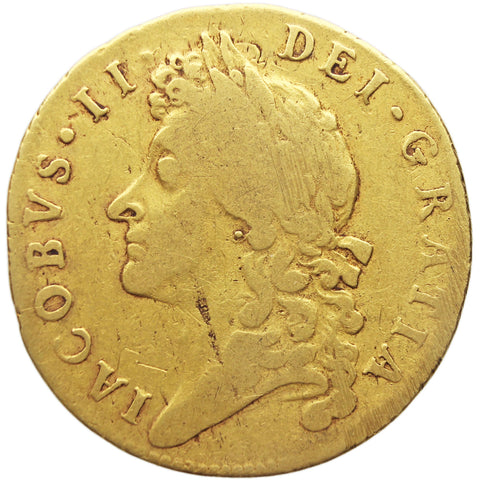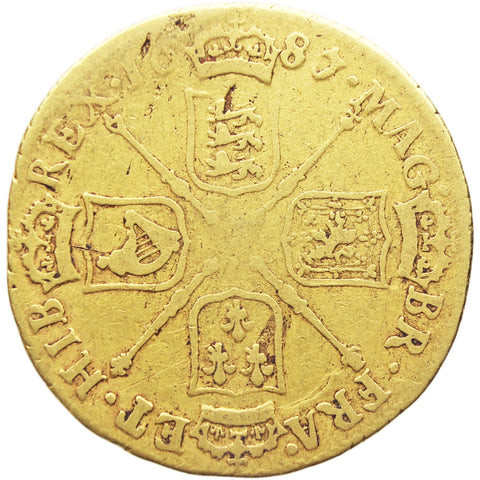
The Crispina aureus coin, minted between 180 and 182 AD in Rome, is a splendid example of numismatic artistry that showcases the likeness of Roman Empress Crispina. Crafted from precious gold, this coin not only holds historical and numismatic value but also offers a glimpse into the lives of Roman emperors and their consorts.
**Empress Crispina**
Crispina was the wife of Roman Emperor Commodus, who reigned during a period of relative stability and military conflict. Coins like the Crispina aureus provide visual documentation of her role as empress and her place in the Roman court.
**The Aureus: A Symbol of Wealth and Prestige**
The aureus, a gold coin of high value, symbolized the grandeur and power of the Roman Empire. The depiction of Crispina on the aureus underscores her status as empress and the respect she commanded within the imperial household.
**Intricate Design and Imagery**
Roman coins were more than just mediums of exchange; they were vessels of artistry and symbolism. The Crispina aureus often features a portrait of the empress on the obverse, showcasing her regal features. The reverse may depict allegorical figures or virtues.
**Historical Context**
The years between 180 and 182 AD were during the reign of Emperor Commodus, a period marked by both military campaigns and internal struggles. Coins from this era provide glimpses into the political and social dynamics of the time.
**Empresses in Roman Society**
Coins featuring empresses like Crispina offer insights into the roles women played in the Roman court. While the public role of empresses varied, they often held influence within the imperial family and could shape political and social dynamics.
**Numismatic Legacy**
Numismatics allows us to study history through tangible artifacts. Coins like the Crispina aureus are cherished by collectors, historians, and enthusiasts for the stories they tell, the historical insights they offer, and the aesthetic beauty they embody.
**Preserving the Past**
Coins like the Crispina aureus serve as tangible connections to the Roman Empire, offering us a window into the lives and identities of emperors and empresses. These artifacts remind us of the grandeur, complexity, and enduring allure of ancient civilizations and the artifacts they left behind.
Compartir